Exploring the Numerous Strategies and Solutions for Effective Damp Proofing
Wetness in structures positions significant challenges to both architectural stability and indoor air high quality. Various strategies and remedies have actually emerged to combat this prevalent concern. From conventional damp-proof membrane layers to ingenious chemical therapies, each method offers unique benefits. Understanding these alternatives is essential for reliable dampness control. Picking the right service depends on specific structure conditions and demands, prompting further expedition into the most effective moist proofing strategies offered.
Understanding the Reasons For Moisture
Moisture can develop from different sources, recognizing these causes is crucial for reliable remediation. Generally, moisture originates from 3 key resources: increasing moist, penetrating moist, and condensation. Climbing moist takes place when groundwater travels upwards via porous products, such as block or rock, commonly because of an absence of an efficient obstacle (mould treatment newcastle). Penetrating damp is normally brought on by external variables, consisting of roof leakages, defective rain gutters, or damaged wall surfaces, allowing water to infiltrate a building. Condensation, on the other hand, results from excess moisture airborne, often aggravated by poor air flow and temperature differences, resulting in water beads basing on surface areas. Identifying these underlying issues is necessary, as each kind of wetness requires a customized technique for remediation. Proper assessment aids in establishing one of the most effective remedies, eventually protecting the structural integrity of a building and boosting interior air quality
Conventional Damp-Proof Membrane Layers

Chemical Damp-Proofing Solutions
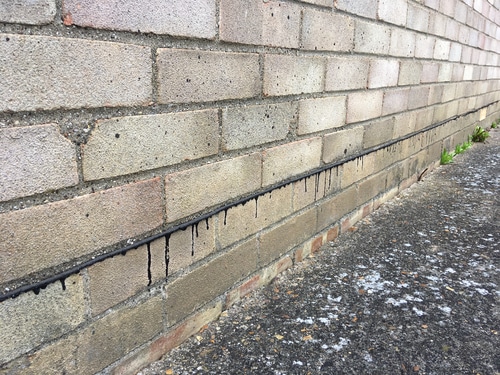
Chemical damp-proofing remedies offer an ingenious approach to stop wetness intrusion in structures. These approaches normally involve the application of liquid chemicals that permeate stonework and develop a barrier versus climbing moist. Generally utilized chemicals include silanes, siloxanes, and various other water-repellent agents that respond with surface materials to create a hydrophobic layer.The application process normally needs exploration holes into the wall surfaces, injecting the chemical service, and permitting it to cure. This technique is particularly advantageous for older structures where traditional damp-proof membrane layers might be impractical. Additionally, chemical damp-proofing can be less turbulent and much more affordable than considerable restoration projects.While reliable, these services depend upon appropriate application and environmental conditions for peak efficiency. Normal maintenance and tracking are necessary to guarantee the long life of the damp-proofing treatment. Overall, chemical damp-proofing represents a versatile alternative for securing buildings against moisture-related damage
Tooth Cavity Wall Construction Methods
Cavity wall surface construction methods supply countless advantages, especially in wetness control and energy effectiveness. By incorporating an air gap between two layers of stonework, these walls efficiently minimize water access while enhancing insulation. This mix not only protects frameworks from dampness but likewise contributes to decreased energy consumption.
Benefits of Tooth Cavity Wall Surfaces
When thinking about efficient wet proofing approaches, the advantages of tooth cavity wall surfaces stand apart plainly. Dental caries wall surfaces include 2 different layers, producing an air gap that effectively minimizes moisture penetration. This style decreases the danger of moisture, as the outer wall acts as a barrier against rainfall and water access. Furthermore, dental caries wall surfaces enhance thermal insulation, which adds to power performance by decreasing warm loss. They additionally give audio insulation, aiding to create a quieter indoor environment. The air gap permits for ventilation, which assists in wetness control and reduces the likelihood of mold and mildew growth. These benefits not only boost the general comfort of a structure but likewise contribute to its long life and structural honesty.
Moisture Control Strategies
Reliable moisture control techniques are crucial in cavity wall building to assure long-term defense versus moisture. One key technique involves the incorporation of weep openings, which help with water drainage from the dental caries, avoiding accumulation. Furthermore, the use of breathable membrane layers can aid handle moisture levels while permitting caught vapor to escape. Appropriate placement of insulation is additionally critical, as it must not block drain paths. Furthermore, guaranteeing that the outer fallen leaves of the cavity wall are built with water-resistant materials boosts general resilience. Routine upkeep checks are vital to recognize any type of obstructions or damage early, safeguarding the structure's honesty. Inevitably, a mix of these techniques forms a robust defense versus wetness breach in dental caries wall surfaces.
Insulation and Power Performance
Insulation plays a vital role in enhancing energy effectiveness within tooth cavity wall building. By integrating protecting materials, these walls produce a thermal barrier that reduces heat loss and reduces energy consumption. Reliable insulation not only aids keep a secure interior temperature however also reduces the risk of dampness, as it stops condensation within the wall cavity. Various techniques, such as using inflexible foam boards or mineral wool, can be employed to attain optimal insulation efficiency. In addition, proper installation is vital to ensure that gaps and voids are minimized, which can or else endanger energy efficiency. Inevitably, a well-insulated tooth cavity wall contributes significantly to overall sustainability and decreases heating & cooling costs for home owners.
Outside Damp Proofing Methods
Outside wet proofing methods are vital for shielding structures from dampness infiltration. 2 effective strategies include the application of waterproof membrane layers and the installation of French drains pipes. These services help mitigate water accumulation and maintain the integrity of buildings.
Waterproof Membrane Application
While numerous techniques exist for preventing wetness ingress, the application of water-proof membranes continues to be a highly efficient exterior damp proofing method. These membrane layers are normally made from products such as polyethylene, rubber, or modified bitumen, offering a durable obstacle versus water penetration. The setup process entails using the membrane to the outside surface areas of wall surfaces or foundations, ensuring complete insurance coverage to stop leakages. Correct adhesion and sealing at joints are essential to optimizing effectiveness. Waterproof membranes can be used in various forms, including liquid layers and sheet membrane layers, enabling versatility based on the certain demands of the framework. This approach not just protects buildings from dampness but Homepage also improves their durability and structural integrity.
French Drain Setup
One efficient technique for handling groundwater and stopping wetness build-up around a building's foundation is the installment of a French drain. This drain system contains a trench loaded with crushed rock and a perforated pipeline that redirects surface water away from the foundation. Proper setup needs careful planning, ensuring that the drainpipe inclines away from the structure to facilitate optimal water flow. Additionally, the area of the drainpipe is crucial; it must be positioned in locations vulnerable to pooling or excess moisture. Normal upkeep, including clearing up particles from the gravel and ensuring the pipeline stays unhampered, is essential for lasting efficiency. Ultimately, a well-installed French drainpipe can considerably decrease the risk of water-related concerns in cellars and structures.
Inside Waterproofing Methods
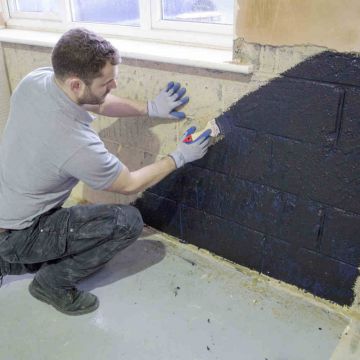
Interior waterproofing approaches are important for protecting a structure's interior from dampness infiltration and potential water damages. These strategies commonly involve the application of specific products and methods made to produce a moisture barrier within the framework. One common strategy is making my company use of water-proof finishings or sealers on walls and floorings, which prevent wetness from passing through surfaces.Additionally, setting up indoor drainage systems, such as sump pumps, can successfully take care of water accumulation in cellars and creep areas. One more method includes the usage of vapor barriers, which are set up to hinder dampness motion from the ground into living spaces.Moreover, resolving any type of fractures or gaps in walls or foundations with ideal sealers ensures a thorough defense against water intrusion. By carrying out these indoor waterproofing strategies, property owners can considerably lower the threat of mold growth, structural damages, and various other moisture-related issues. Proper execution of these methods is necessary for lasting defense and structure honesty.
Regular Maintenance and Assessment Practices
Routine upkeep and assessment methods are crucial for assuring the lasting performance of wet proofing remedies in any structure. Regular checks make it possible for property owners to recognize very early indicators of wetness invasion, such as peeling off paint, mold growth, and musty smells. These indications can signify underlying problems that need immediate attention.Inspections should be conducted a minimum of annually, concentrating on prone areas like click over here now basements, creep areas, and exterior walls. Throughout these analyses, building proprietors ought to analyze sealers, water drainage systems, and ventilation to verify they operate correctly.Additionally, preserving downspouts and seamless gutters is essential, as clogged up systems can cause water buildup near the structure. Executing a regular upkeep timetable, in addition to timely repairs, can substantially prolong the lifespan of wet proofing steps and shield the structural stability of the building. Aggressive steps inevitably add to the total health and wellness and safety of the living atmosphere.
Frequently Asked Concerns
For How Long Does Damp Proofing Usually Last?
The duration of wet proofing effectiveness differs, typically lasting in between 20 to half a century. Elements such as application high quality, ecological conditions, and upkeep practices considerably influence the durability of the wet proofing therapy.
Can I Damp Proof My Home Myself?
The individual considered the usefulness of DIY damp proofing. With proper research study and the ideal materials, it is possible. They additionally acknowledged the importance of specialist advice to ensure long-lasting performance and stop future issues.
What Are the Indicators of Inefficient Damp Proofing?
Indicators of inefficient damp proofing consist of consistent stuffy odors, noticeable mold development, peeling paint, wet patches on wall surfaces, and wood degeneration - mould treatment newcastle. Homeowners must deal with these issues without delay to stop further damage and wellness issues
Does Damp Proofing Affect Indoor Air Top Quality?
Just How Much Does Specialist Damp Proofing Price?
Expert damp proofing prices vary considerably, typically varying from $1,000 to $5,000 depending upon the residential or commercial property's size, the degree of the damp concern, and selected methods. Each circumstance requires a customized evaluation for exact prices. Commonly, wetness originates from 3 main resources: rising wet, permeating wet, and condensation. When thinking about reliable moist proofing approaches, the advantages of dental caries walls stand out plainly. External wet proofing methods are crucial for safeguarding frameworks from moisture seepage. While various techniques exist for protecting against wetness access, the application of waterproof membranes continues to be a highly effective exterior damp proofing method. Indicators of ineffective moist proofing consist of persistent moldy smells, noticeable mold growth, peeling off paint, moist spots on walls, and wood degeneration.